How much does window tinting cost in Somerville?
Window film is priced by the square footage of glass, the film you choose and how the glass is reached, so there is no single number that would be honest here. A few west facing windows in a home is a different job from thirty office windows on a fourth floor. Access changes the number too. Interior film needs nothing more than a clear path to the window, while exterior film above the ground floor needs lift access and is quoted accordingly. Older glass gets inspected before anything is quoted, since seal condition and thermal stress limits vary by pane. We measure on site and give you a written price before any work is scheduled.
Will window film make my rooms too dark, and how dark should I go?
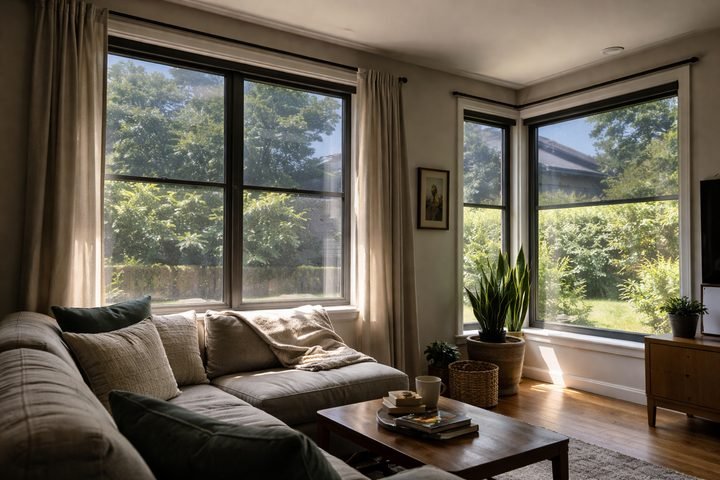
Not if it is specified correctly, and darkness is a choice, not the price of heat control. Brightness and heat rejection are separate numbers on a spec sheet. HD 70 Interior keeps 69 percent of visible light while rejecting 55 percent of total solar energy and 95 percent of near infrared, so the room stays bright and the glass still reads as glass. HD 50 holds 53 percent of daylight with 61 percent solar rejection. Darker films earn their keep when the problem is glare: Ceramic 30 at 28 percent visible light cuts glare 69 percent, and Ceramic 10 cuts it 89 percent while adding daytime privacy. How dark you should go follows from the room: glare on screens argues darker, a kitchen you love bright argues lighter. We specify per elevation, so the west wall can run darker than the north wall in the same building.
Does window film really reduce energy costs?
Yes, and the mechanism is simple: solar energy that never enters the building is energy your air conditioning never has to remove. CoolVu films reject up to 83 percent of total solar energy with exterior Dual Reflective 10, and up to 82 percent with interior Ceramic 10, stopping heat before it becomes a load on the cooling system. The rooms that run hottest, west and south facing glass in the afternoon, are exactly where film works hardest, so the load drops where it peaks. How much you save depends on your glass area, exposure and how hard your cooling runs, so we do not promise a dollar figure a spec sheet cannot back. What film controls is the heat coming through the glass, and on a west wall at four in the afternoon, that is the part of a summer utility bill you can feel standing in the room.
Will window film give me privacy at night?
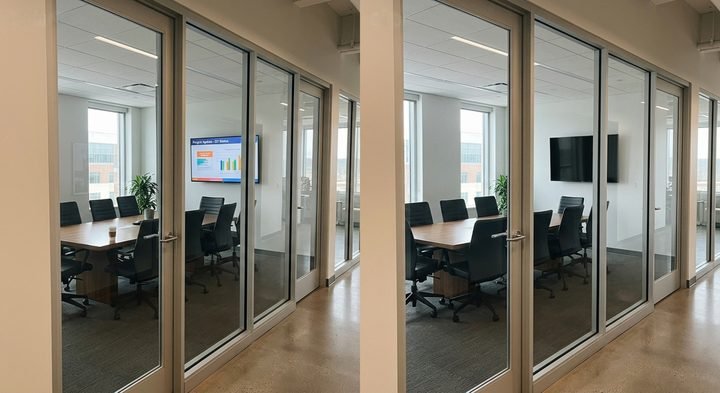
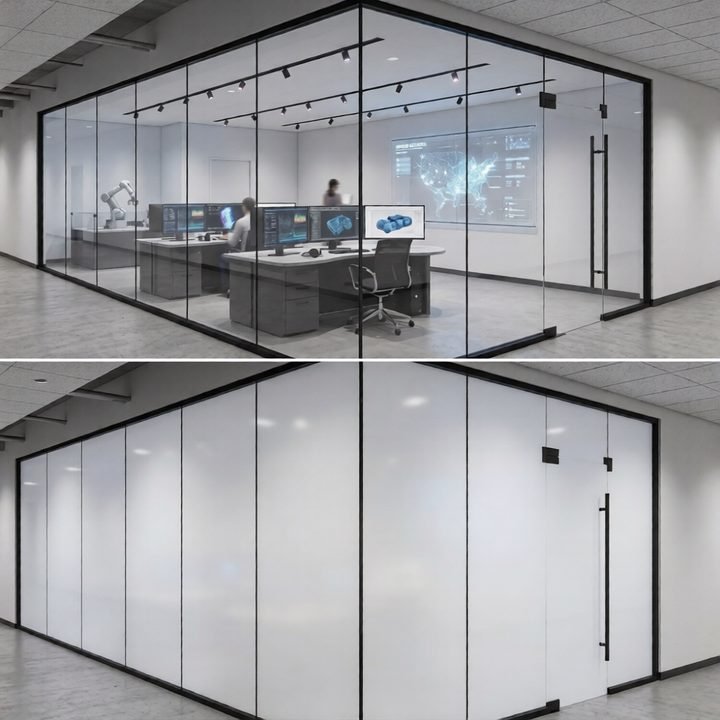
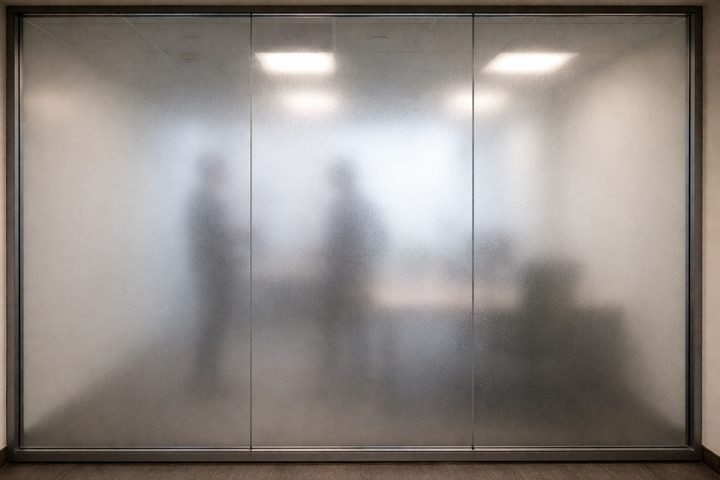
The honest answer: daytime privacy film does not stay private after dark. Reflective films work like a one way mirror, and the mirror faces whichever side is brighter. In daylight the outside is brighter, so the glass reads reflective from the street and you see out comfortably. After sunset, with lights on inside, the balance flips and the view flips with it. That is how reflective film works, from any manufacturer. If you need privacy around the clock, frosted and decorative films are the answer: they obscure sightlines in both directions at all hours while still passing daylight, which is why they are the standard for bathrooms, street facing ground floors, conference rooms and exam rooms. Many properties end up with both, solar film for heat on the main glass and frosted film on the few panes where privacy cannot be a part time feature. We will tell you plainly which windows need which.
What type of window film is best for a home in Somerville?
It depends on which problem you are solving, but for most homes the answer is a light ceramic film on the sun-struck elevations. In most Somerville homes the west facing rooms do most of the overheating, so that is where film earns its keep first. If you want the glass to keep looking like glass, HD 70 Interior holds 69 percent of visible light while rejecting 55 percent of total solar energy. If afternoon glare is the bigger complaint, Ceramic 30 at 28 percent visible light cuts glare 69 percent. For a street-facing ground floor, Ceramic 10 adds daytime privacy along with 82 percent total solar energy rejected. All of these block 99 percent of ultraviolet light. The honest answer is per window, not per house, which is what the free consultation settles: each elevation gets the film that matches its exposure and use.
Does security film actually stop a break-in?
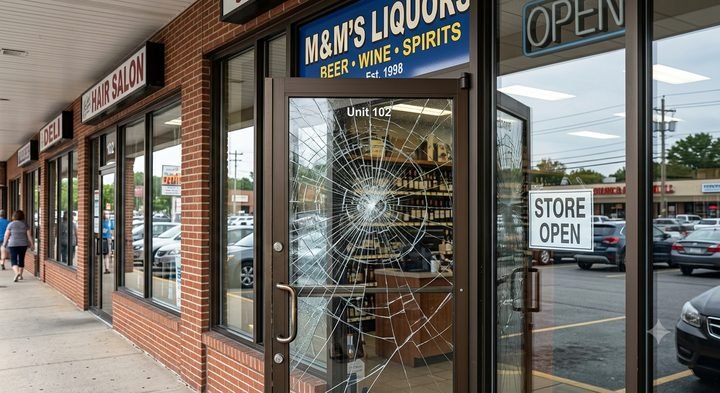
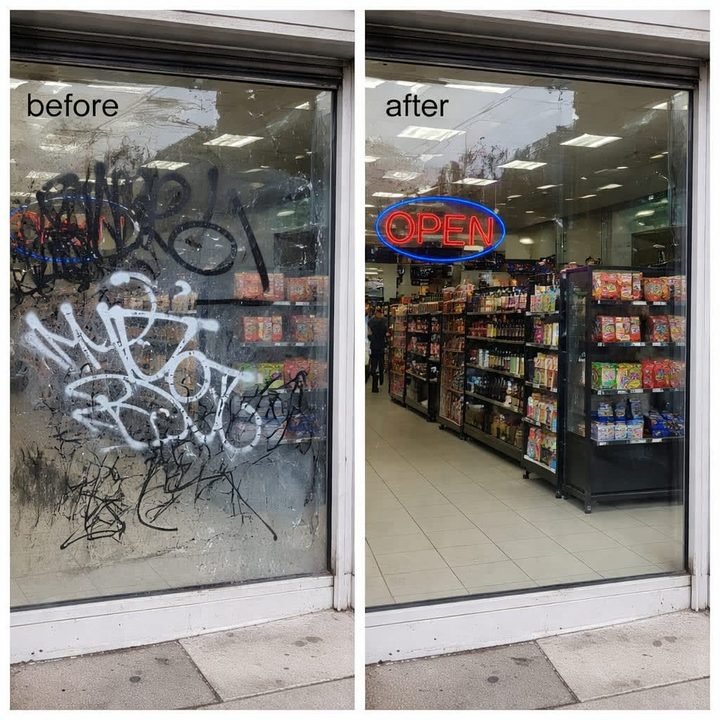
Security film does not make glass unbreakable, and anyone who tells you it does is overselling. What it does is bond the fragments to the film so the pane stays in the opening after it breaks instead of falling out of the frame. A smash and grab entry depends on clearing that glass in a few seconds. Film turns it into repeated, loud, visible effort, buying time for preventive or corrective action. It matters after a storm or an accident too, since the glass stays in the frame rather than landing across the floor. On ground floor storefront glass, safety film often pairs with anti graffiti film, a sacrificial 4 and 6 mil layer at 89 percent visible light. When it gets tagged or scratched the film is replaced and the pane underneath is untouched.
Can window film be removed later?
Yes. Window film is not permanent. Removal is a job for a professional installer, who lifts the film and takes the adhesive off with it so the glass comes back clean and undamaged. Done properly, the glass returns to exactly how it was before the film went on. That reversibility is why film is a standard choice in leased space, where any change has to be undoable at the end of the term, and it is what makes film a low-risk improvement for any property. You are not altering the window, the frame or the seals, only adding a layer to the glass surface that a trained installer can take back off. If your needs change down the road, the film changes with them, removed outright or swapped for a different film.
How long does window film last?
Professionally installed film is a long-term improvement, and the warranty says so. Most films we install in homes carry a lifetime residential warranty, and most commercial installations are covered for 10 years. The exact term is specific to the product and the application, so it goes in writing with your quote and the manufacturer paperwork stays with you after the install. The films are built for that horizon: CoolVu ceramic films reject heat through a ceramic layer that does not discolor over time, and interior film lives on the room side of the glass, protected from weather, which is why interior applications age particularly well. There is no recoating and no periodic service. Once the film cures it simply works, which is a large part of why film compares so well against replacing the glass itself.
What time of year is best to install window film?
Any season. Most installations happen from inside the building, so the work is not weather-dependent the way exterior trades are. The practical difference is cure time: film bonds fully over a period of days to weeks, and cooler weather stretches that a little, which affects nothing about final performance. If summer heat is why you are calling, the smart move is to install in spring, before the first heat wave, rather than joining the July rush. Fall and winter installs make sense too. Low winter sun sits at eye level and produces some of the worst glare of the year, and the ultraviolet light that fades floors and furniture is present every month. Scheduling is also simply easier outside of peak season, so if you want the widest choice of dates, the off-season is the best time to book the free consultation.
How do I clean windows after film is installed?
Gently, and not right away. Film needs a cure period after installation while the mounting solution evaporates through the film, typically days to a few weeks depending on film and season. Light haze or small water pockets during that window are normal and clear on their own; leave them alone. After cure, cleaning is simple: a soft cloth or rubber squeegee and an ammonia-free glass cleaner. Skip abrasive pads, razor blades and anything gritty on the filmed side, since the film’s scratch-resistant coating is built for everyday cleaning rather than scraping. That is the entire maintenance routine. There is no resealing, recoating or periodic service, which is part of why film compares so well against replacing glass. We go over cure timing for your specific film before we leave the job, so you know exactly what to expect and when the first cleaning is safe.