
Energy Efficient Window Tinting for Homes & Buildings
Reduce HVAC costs, lower energy consumption, and improve building comfort with solar window films that reject up to 85% of solar heat. No window replacement needed. Free consultation.
Call or Text 609-929-7211Energy Efficient Window Tinting for Homes & Buildings
Window film is one of the most cost-effective energy efficiency upgrades available for existing buildings. Solar films reject 35% to 85% of total solar energy before it enters through glass, directly reducing air conditioning load in summer. In winter, low-emissivity ceramic and dual reflective films help retain interior heat by reducing heat loss through the glass. The result is lower HVAC costs year-round without window replacement.
CoolVu solar films range from nearly invisible Signature Ceramic (up to 82% TSER, non-reflective) to high-performance Silver Reflective (85% TSER, 15-year commercial warranty). Every film blocks 99% of UV rays, which prevents fading of interior finishes. For buildings with older single-pane glass, solar film is the highest-return thermal upgrade available short of full window replacement.
How We Help
Summer Cooling Reduction
Solar film rejects solar heat at the glass before it enters the building, reducing air conditioning load. Silver Reflective 15 rejects 85% TSER on commercial glass. Signature Ceramic 10 rejects 82% without a reflective appearance for residential applications.
Winter Heat Retention
Low-emissivity ceramic and dual reflective films reduce heat loss through glass in winter. The same film that blocks summer heat helps retain winter warmth, providing year-round energy benefit from a single installation.
UV & Fade Protection
Every CoolVu solar film blocks 99% of ultraviolet rays regardless of tint level. UV is the primary cause of fading in hardwood, carpet, upholstery, artwork, and merchandise. Stopping it at the glass protects everything inside.
Recommended Products
Solar Window Tinting
Six film families. Up to 85% TSER. Ceramic, reflective, and transitional options.
Decorative Films
Frosted and privacy films that also block 99% UV.
Our Window Tinting & Film Products
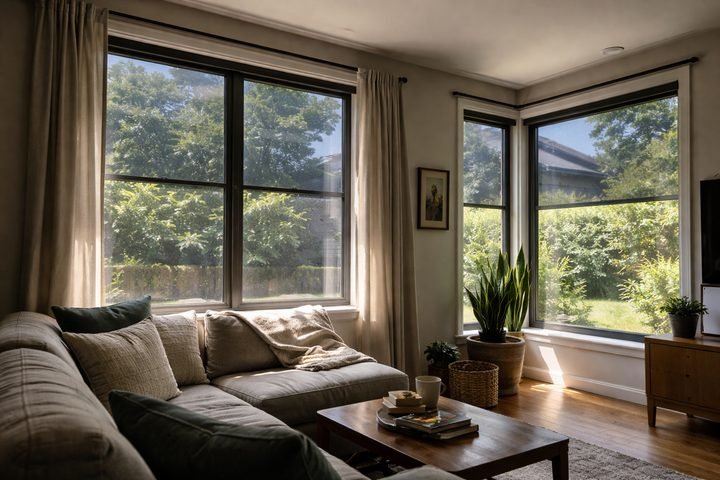
Solar Window Tinting
Blocks solar heat, glare, and UV for energy efficiency and comfort year-round.
Learn more →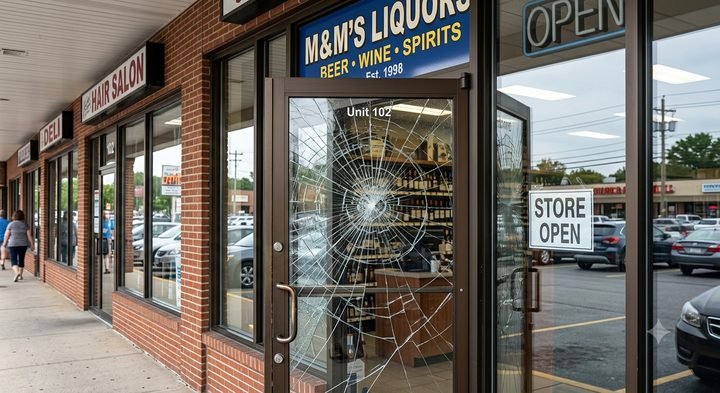
Security Window Film
Reinforces glass against break-ins, impacts, and shattering.
Learn more →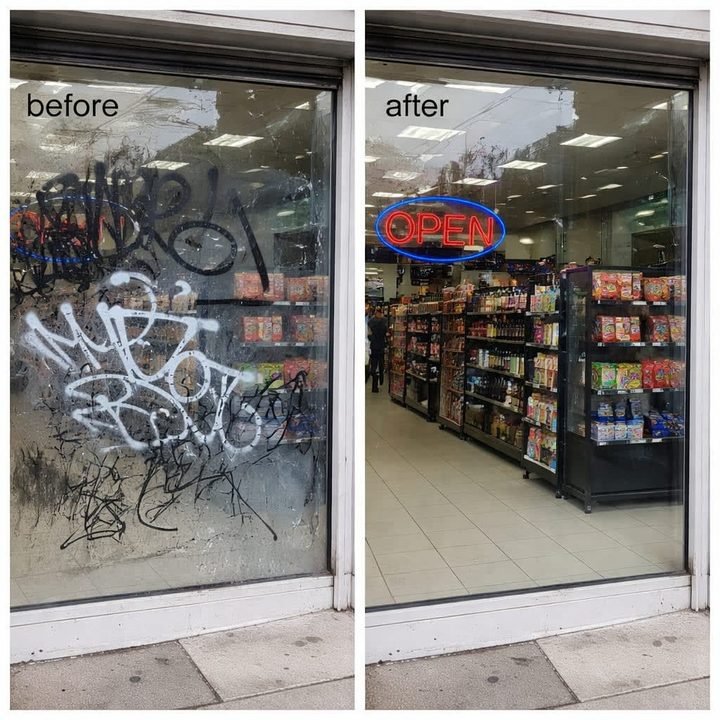
Anti-Graffiti Film
Clear sacrificial layer protects glass from scratches and tagging.
Learn more →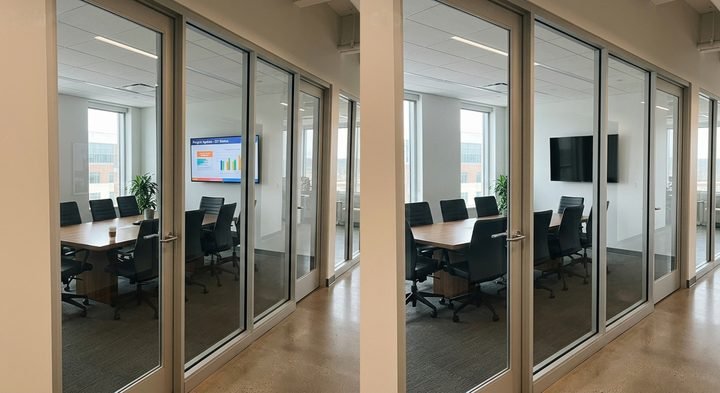
Privacy & Cloaking Film
One-way mirror and screen-cloaking for daytime privacy.
Learn more →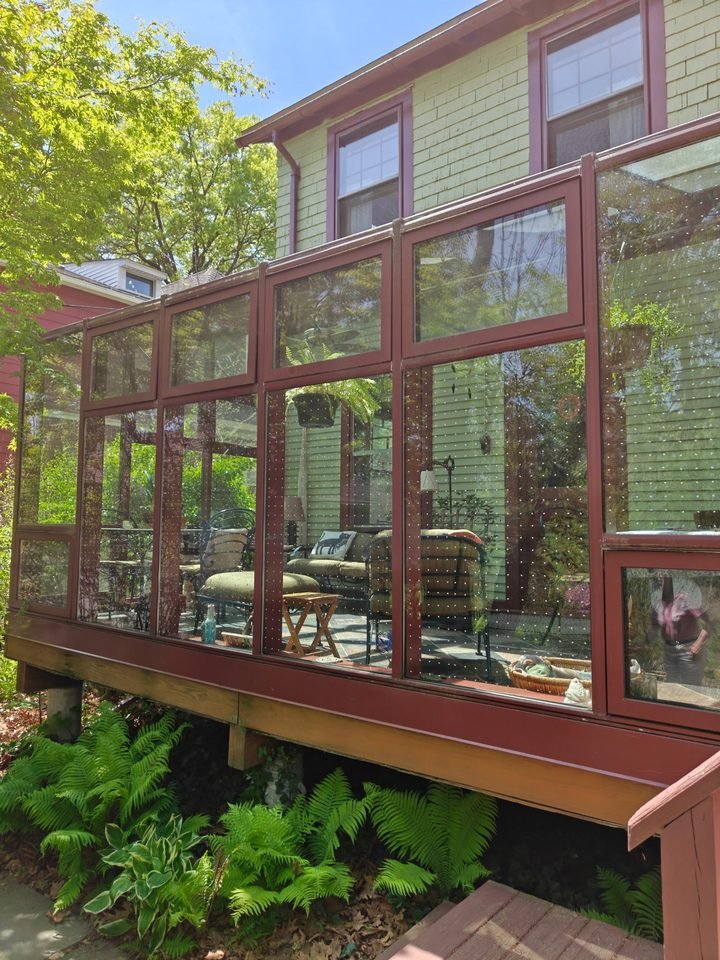
BirdsEyeVu
Bird-safe patterned film that prevents bird-glass collisions.
Learn more →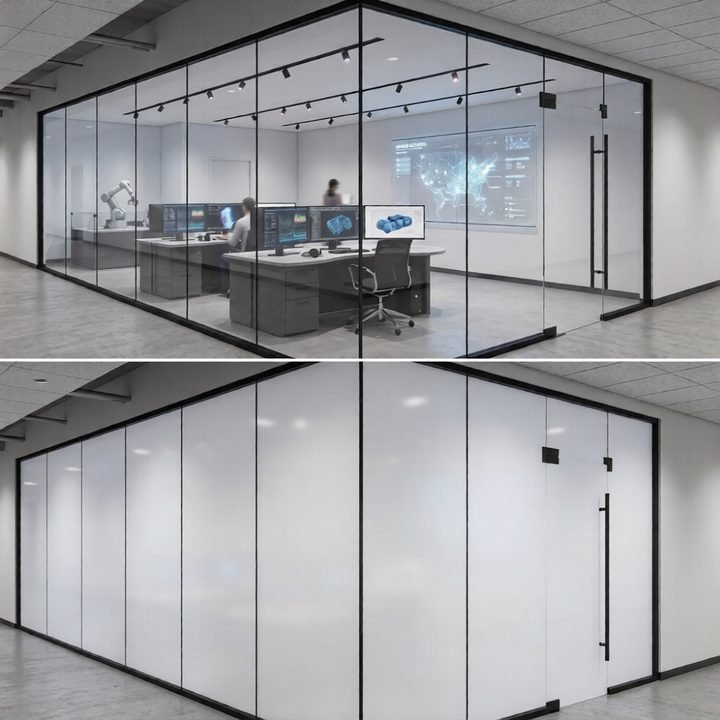
Switchable Smart Film
Switch glass between clear and frosted on demand.
Learn more →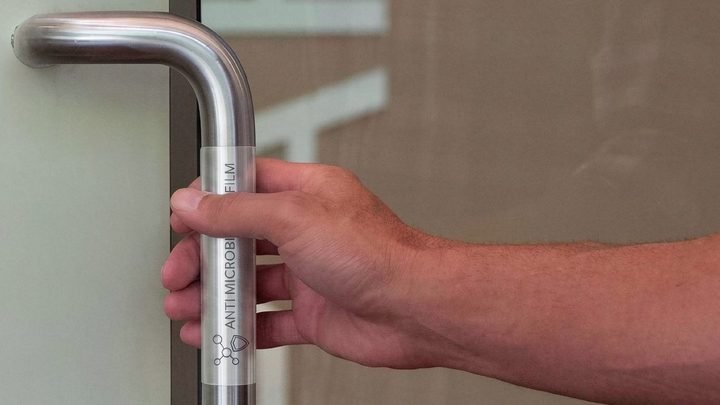
Antimicrobial Surface Film
Silver-ion film for high-touch commercial surfaces.
Learn more →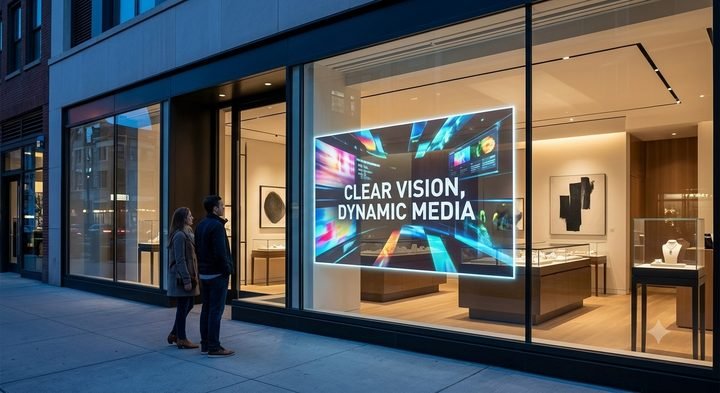
Clear Projection Film
Turns glass into a rear-projection screen.
Learn more →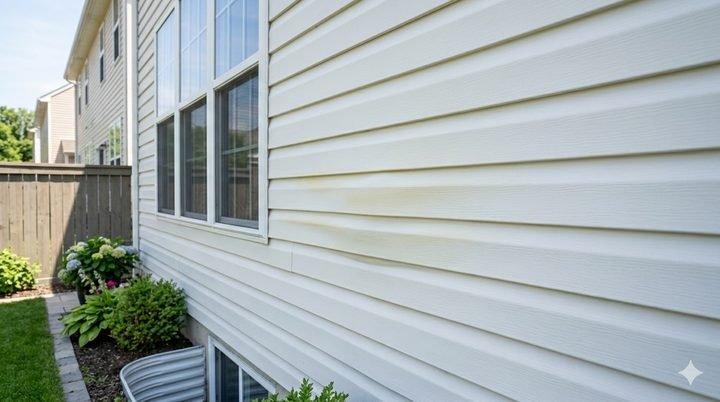
TurfProtect Film
Prevents reflected sunlight from melting artificial turf.
Learn more →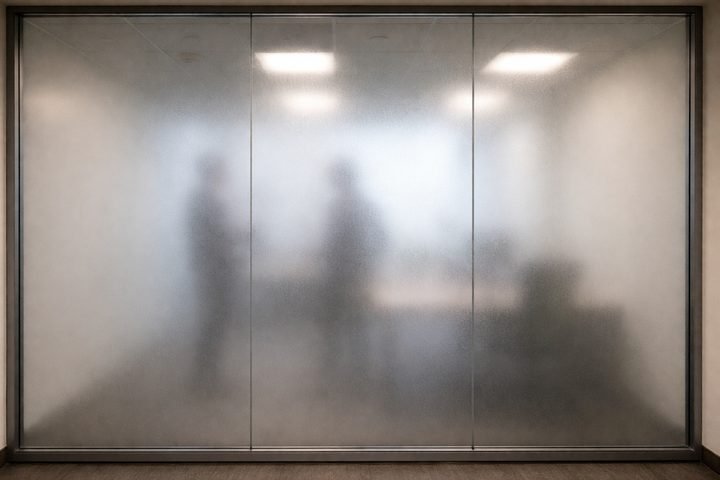
Decorative Films
Frosted, etched, dichroic, and custom finishes.
Learn more →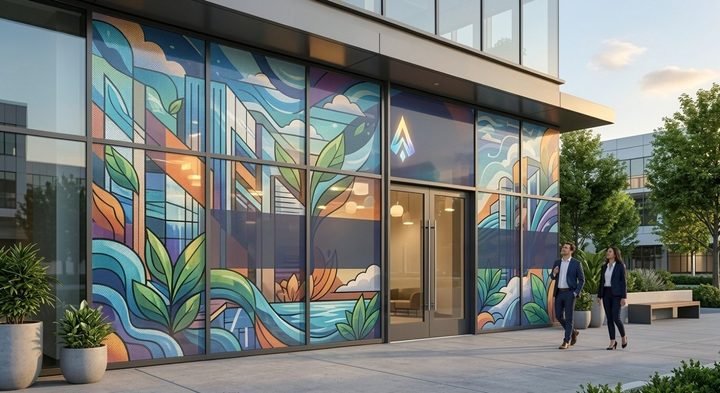
Graphics & Murals
Window graphics, lettering, perforated film, and wall murals.
Learn more →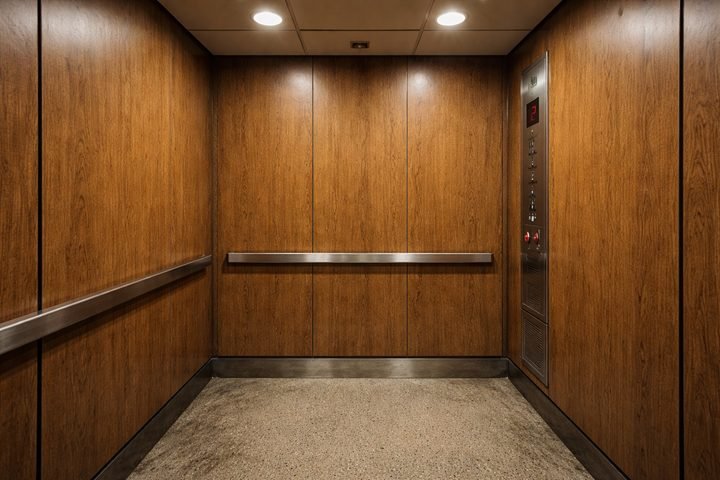
Architectural Surface Film
Wood, stone, metallic, and textile surface finishes.
Learn more →
Contact Us today for a free estimate and consultation!
Phone
Serving Princeton & Central New Jersey. Free consultation by phone or on-site. Call or text anytime.